
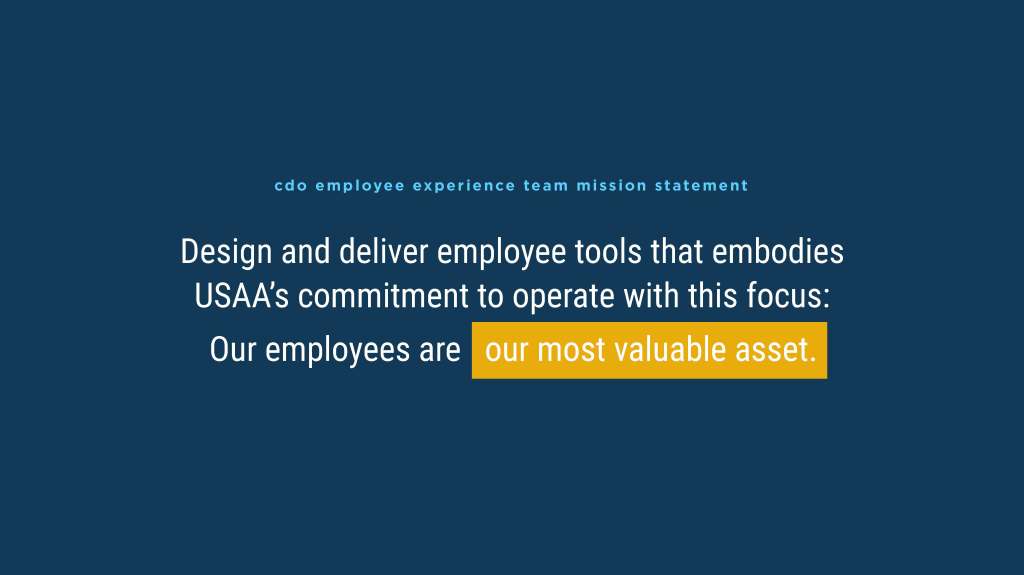

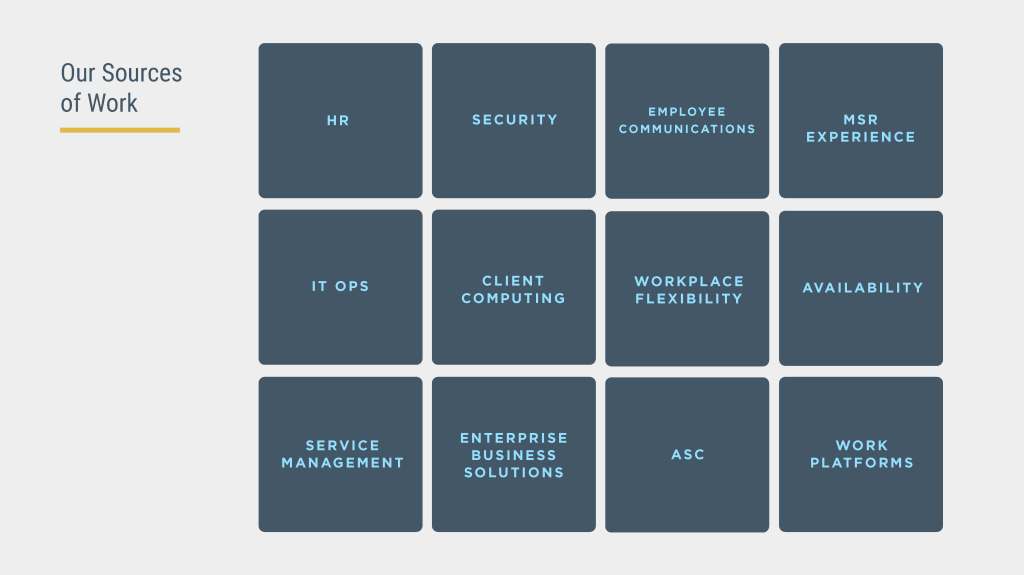


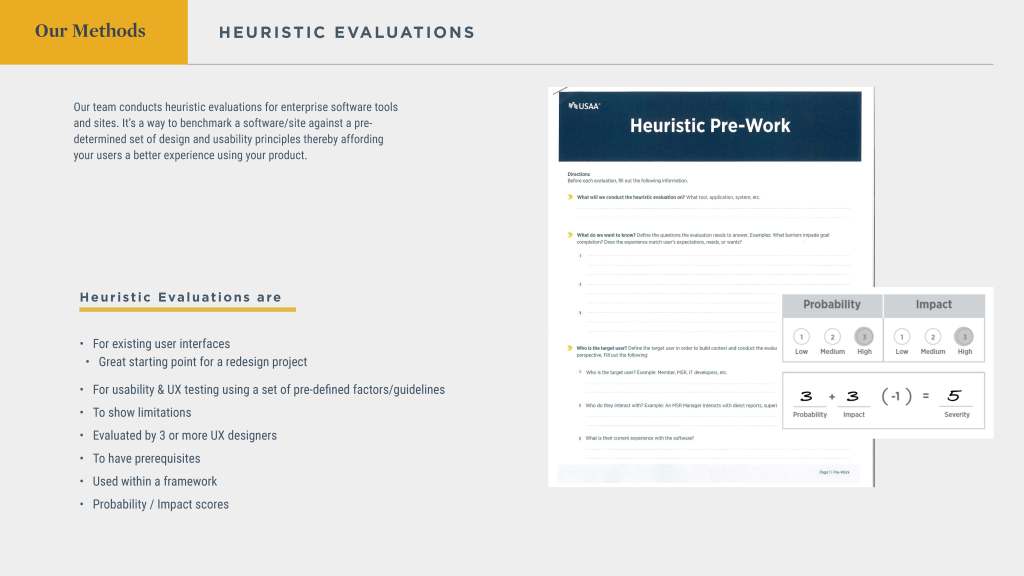

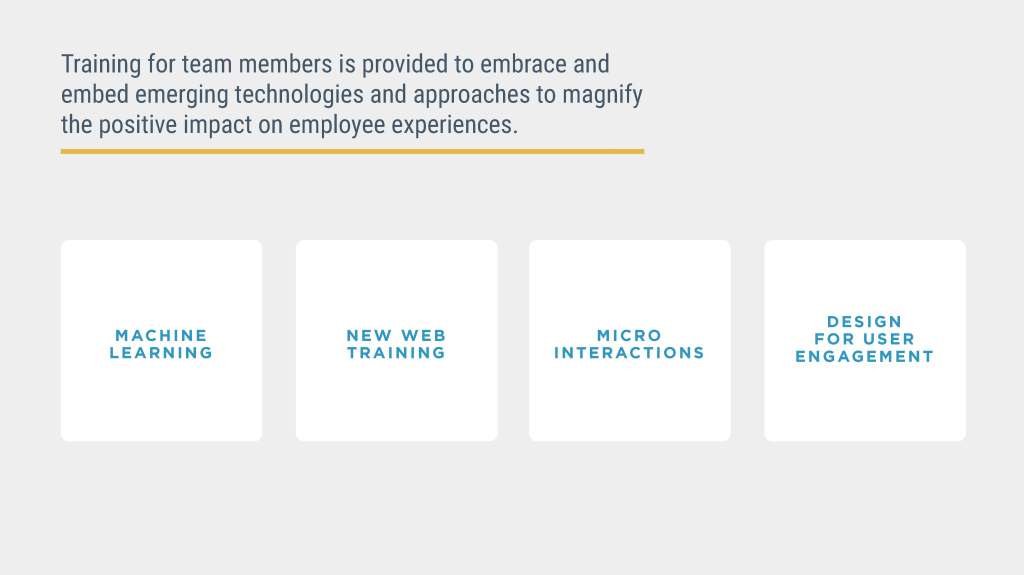

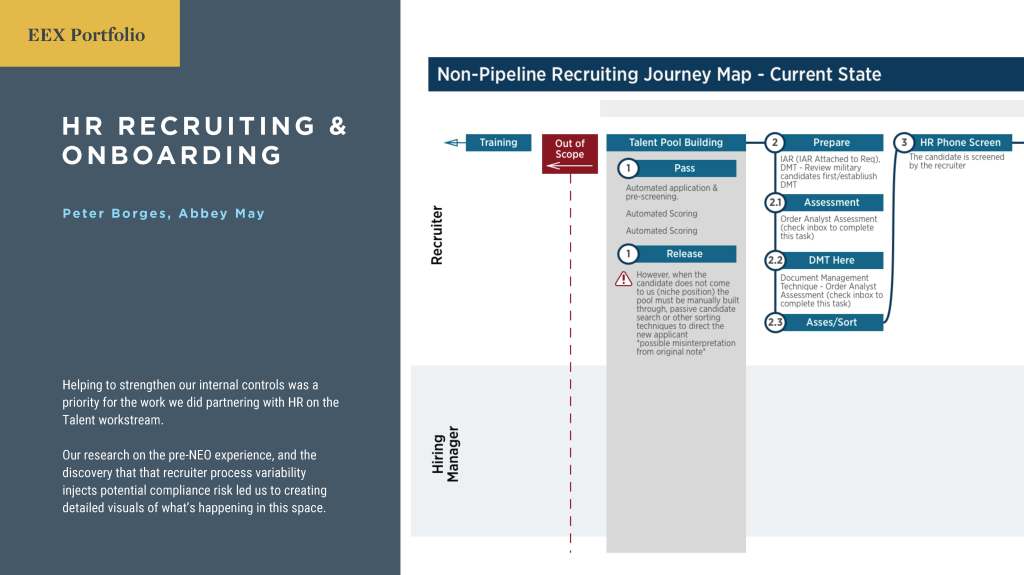
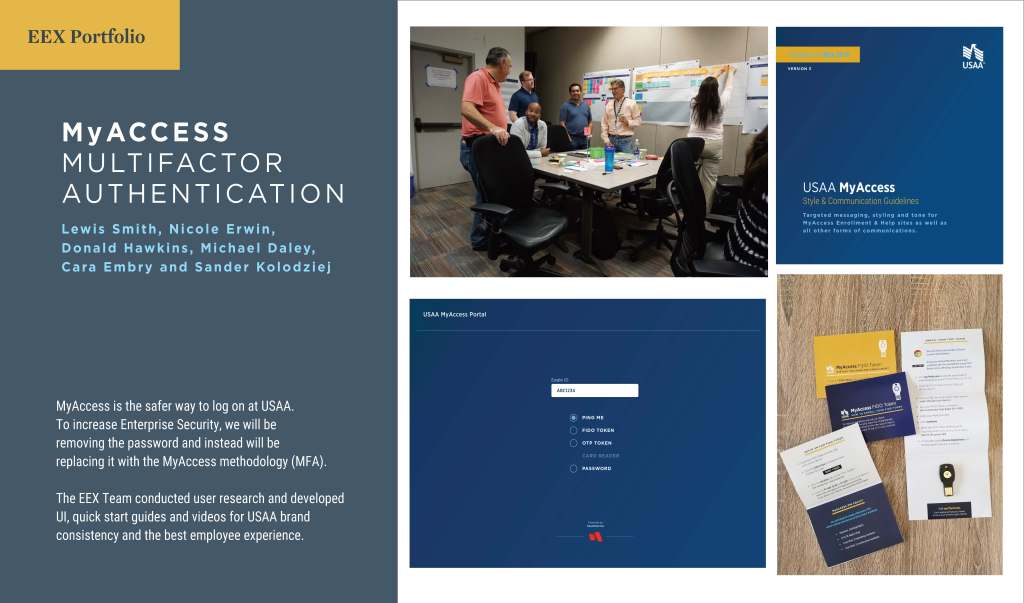
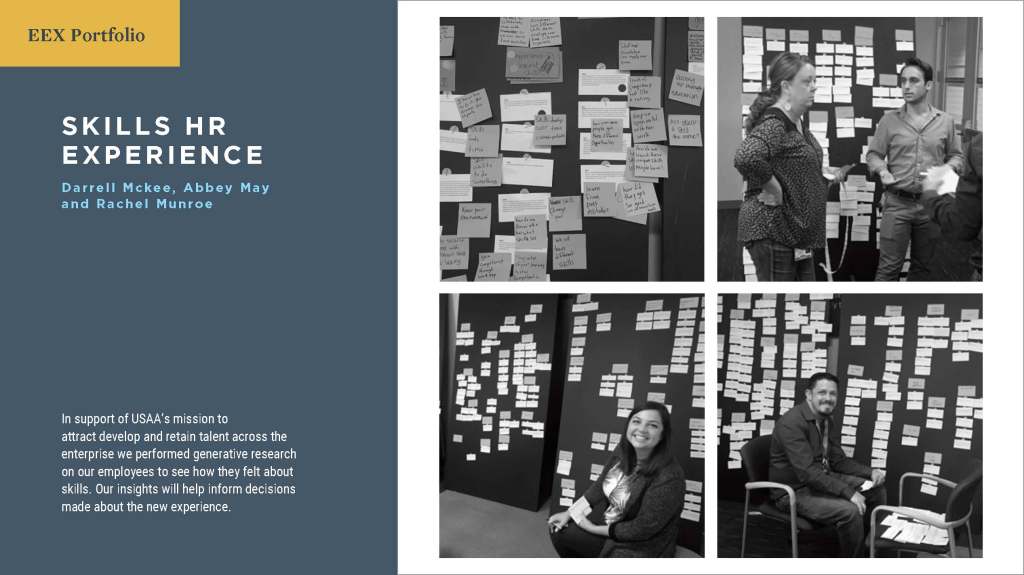
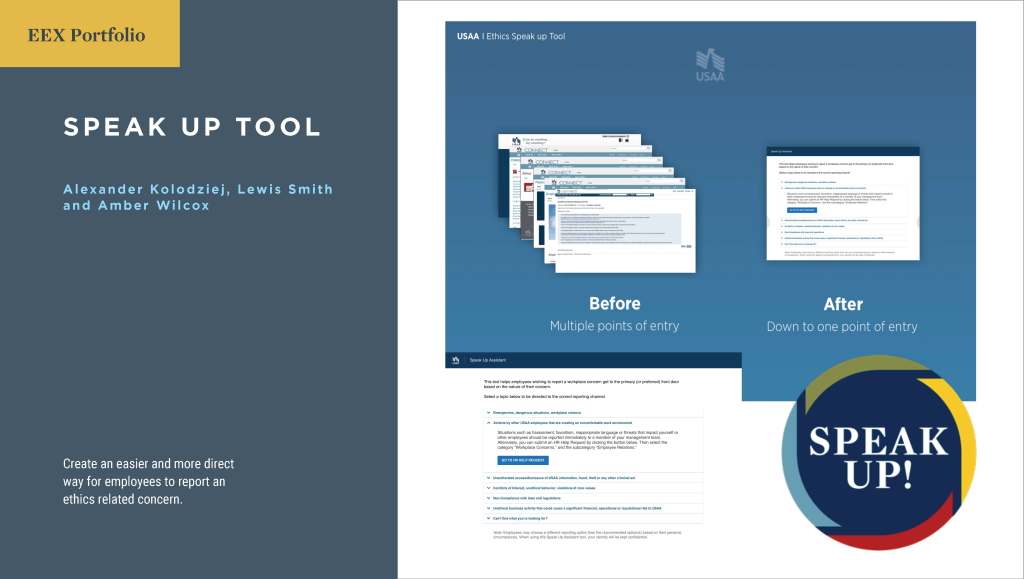
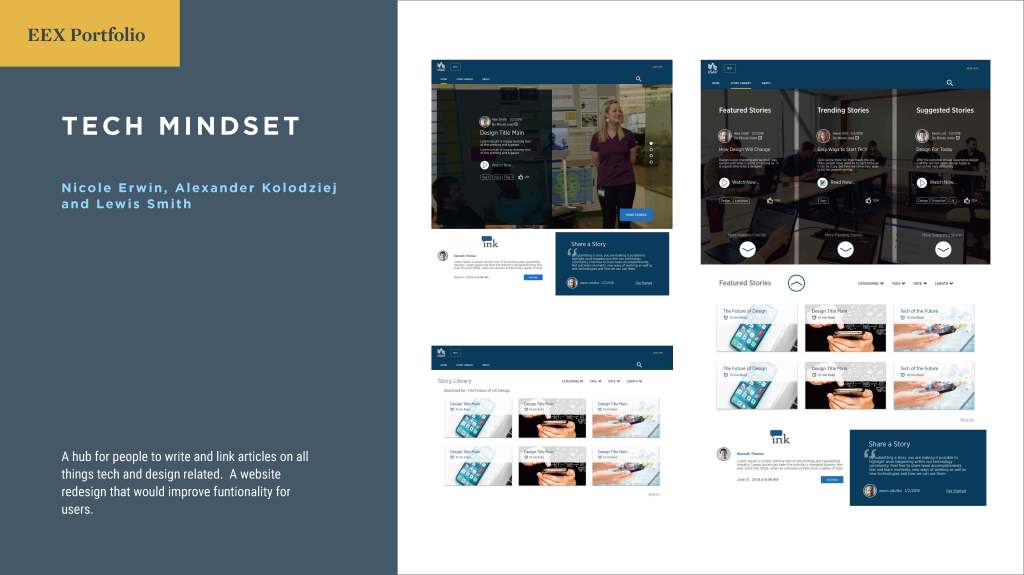


Employee Experience is the red-headed step child for interaction design. My team was focused on elevating employee interactions to the same level as member or customer experiences. The gambit of experiences range from Human Resources to Security Protocols to physical environment to intranet and internal processes. Enabling individuals to attain autonomy, purpose, and mastery (as identified by Daniel Pink) is imperative to an actively engaged and committed workforce.
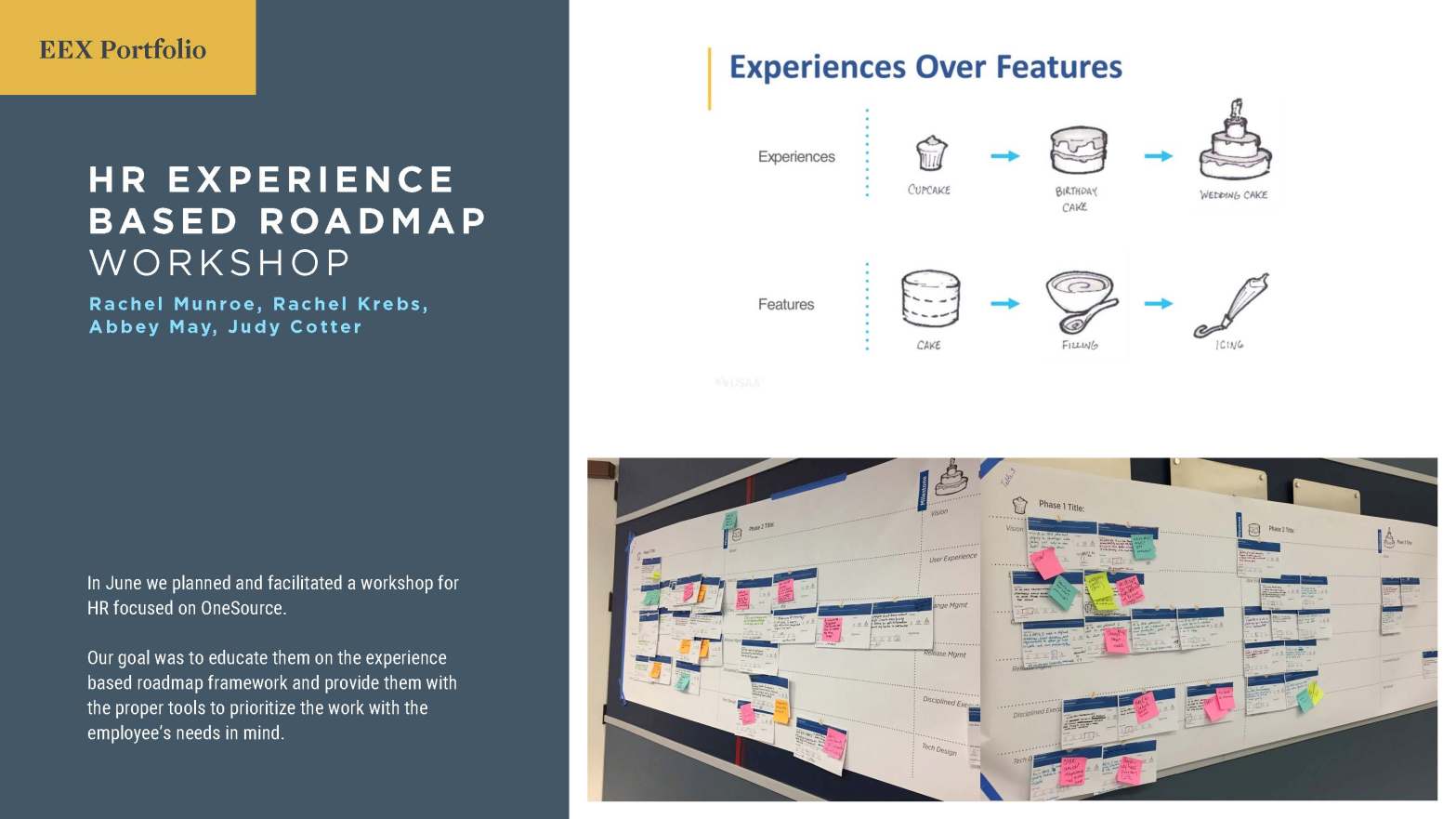
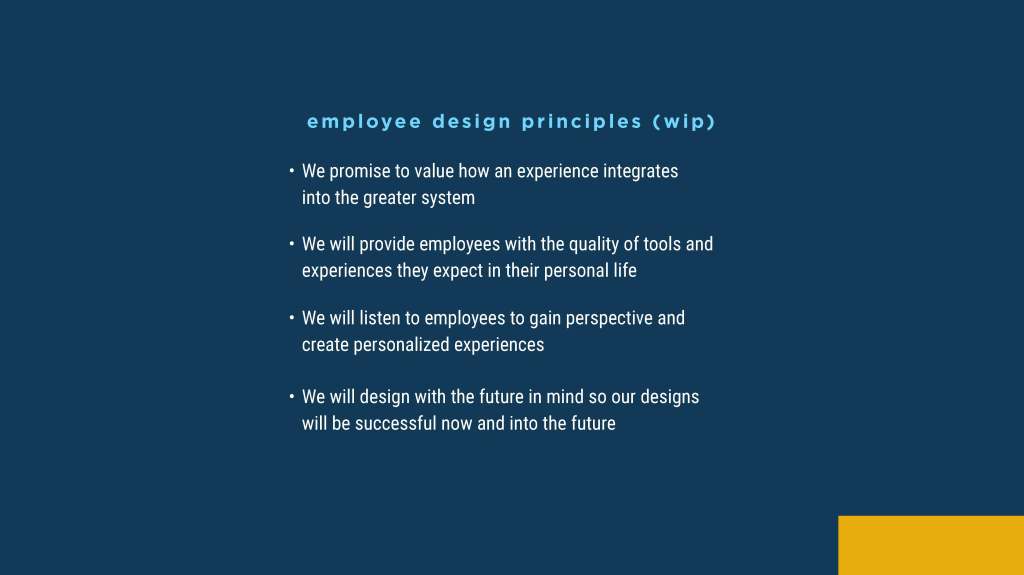
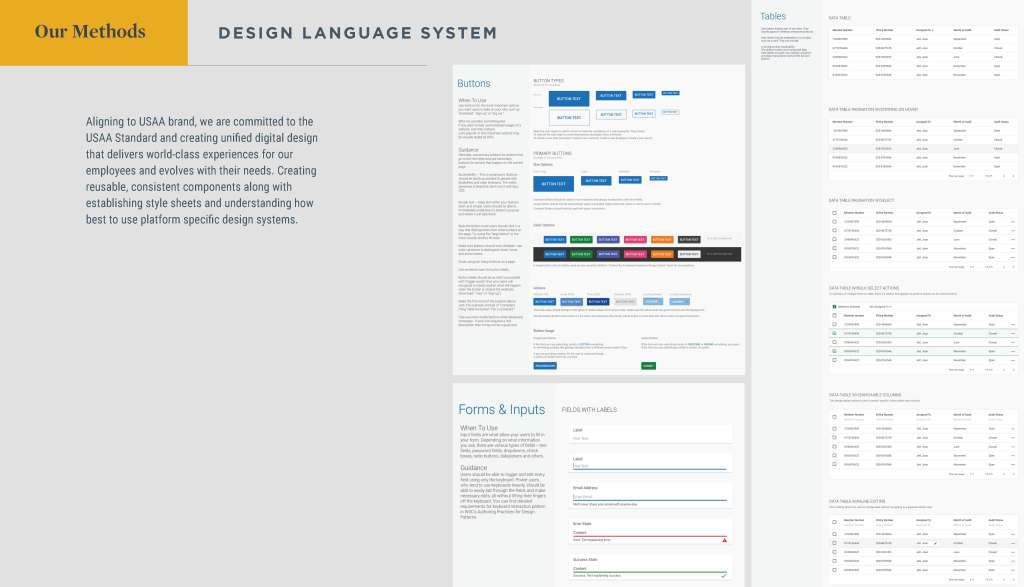
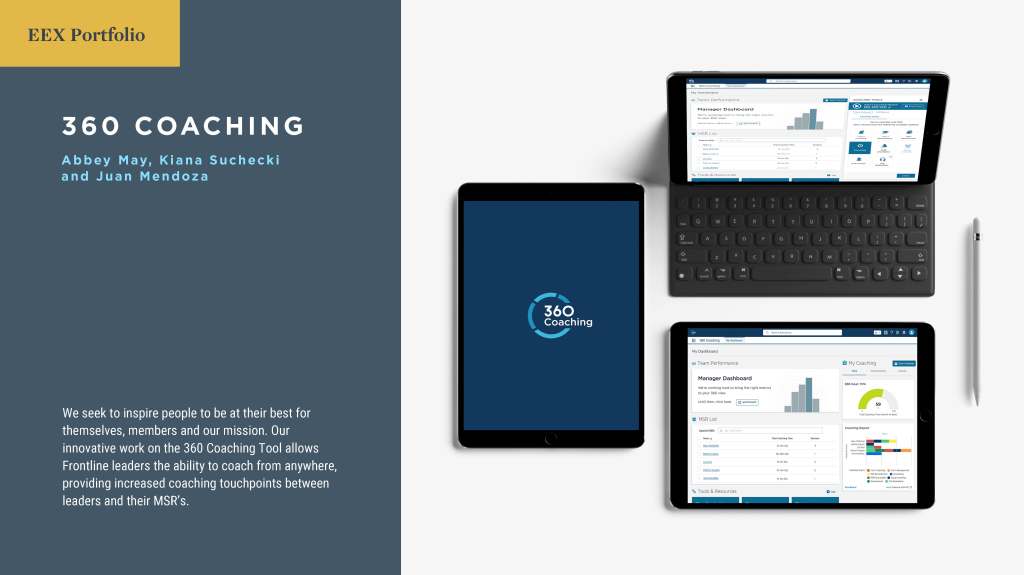
We not only looked at specific interactions, but how the suite of software solutions able to exist cohesively with other branded, custom in-house developed interactions. An employee Design Language System was being created to align as closely as possible the same modern design principles embedded in the member (customer) facing Design Language. Utilizing the same component approach and reuse strategy, establishing design style guides for particular platforms, or at the very least a playbook to capture design decisions for specific white glove software implementations.
Exploring different solutions using the Human Centered Design approach for internal experience was bringing new focus to Employee Experiences. Reducing what I call “cognitive debt” created when a lack of user research or not understanding the “job to be done” while creating employee work tools. Imposing imperial perspectives over how tools are designed is detrimental to the effectiveness and productivity of users. Providing those specific users (the workforce) with effective tools not only increases productivity but enables those individuals to become better at their jobs, no matter if it’s customer facing or in a specific specialty, rather than expending energy and cognition “learnign the system: and overcoming technical barriers.
 Judy Cotter